
Chiefway accelerates smart building innovation by integrating dynamic smart glass, open APIs, and data-driven controls. It combines electrochromic and suspended-particle technologies with low-voltage actuation for rapid, verifiable privacy and daylight modulation smart glass Malaysia. Deployments show measurable cooling and lighting reductions and peak-demand shaving. Open protocols, IoT gateways, and modular retrofit kits enable scalable, low-disruption rollouts and BMS interoperability. Collaborative pilots, standards work, and predictive comfort algorithms personalize zones while ensuring ROI — continue for implementation details and case evidence.

Chiefway’s Smart Glass Technology and How It Works
Chiefway’s smart glass integrates electrochromic and suspended-particle technologies to dynamically control light transmission, enabling façade- and interior-level modulation of glare, solar heat gain, and privacy with precise, measurable outcomes. The system applies dynamic tinting via low-voltage signals, responding to sensor networks and user preferences to balance daylight, views, and thermal comfort. Data-driven algorithms optimize states for occupant autonomy, while APIs enable integrators to coordinate HVAC and lighting. Collaborative pilots refine control strategies through iterative telemetry. Privacy control modes guarantee rapid, verifiable shifts for confidential spaces. The architecture emphasizes modularity, interoperability, and transparent diagnostics to empower liberated building occupants.
Energy Savings and Environmental Impact in Real Deployments
Across multiple commercial pilots and full-scale installations, measurable reductions in cooling load and lighting energy have emerged as consistent outcomes of integrating smart glass into building envelopes and interiors. The technology enabled adaptive daylighting and solar control, yielding verifiable energy savings while lowering carbon footprint and alleviating peak demand pressures. Data-driven monitoring informed iterative optimization; stakeholders collaborated to scale solutions that respect occupant autonomy and operational freedom.
- Measured cooling load drops of 10–25% in warm climates
- Daylighting reduced electric lighting hours by 15–40%
- Peak demand shaving during midday solar peaks
- Lifecycle analyses showing net carbon footprint reductions
Integration With Building Management and Iot Platforms
Leveraging open APIs and standardized protocols, smart glass systems are being architected to interoperate seamlessly with building management systems (BMS) and IoT platforms, enabling centralized control, analytics, and automated responses. Chiefway envisions modular architectures where BMS integration occurs via secure MQTT, BACnet/IP, and RESTful interfaces, feeding real-time telemetry to analytics engines. IoT gateways aggregate sensor, occupancy, and glass-state data, reducing latency and enabling edge policies for privacy-preserving control. Data-driven rules coordinate daylighting, HVAC, and user preferences, yielding measurable comfort and efficiency gains. Collaborative pilots and open data models empower owners and integrators to innovate without vendor lock-in.
Retrofitability, Scalability, and Deployment Strategies
In planning large-scale rollouts, retrofitability and scalability are treated as core engineering constraints that shape product design, installation workflows, and business models. Chiefway emphasizes modular retrofitting and Scalable rollouts to enable flexible upgrades without disrupting occupant autonomy. Data guides unit sizing, supply-chain staging, and phased commissioning. Cross-disciplinary teams co-create standardized kits, training protocols, and financing options that lower barriers to entry while preserving tenant choice. Deployment strategies prioritize repeatable metrics, minimal downtime, and open interfaces to campus systems.
- Pre-fab modular kits for quick window swaps
- Staged pilot-to-campus expansion plans
- Training and certifiable installer networks
- Financing models tied to performance guarantees
Data-Driven Controls and Occupant Comfort Optimization
Chiefway frames a data-driven approach to occupant comfort by integrating adaptive daylight harvesting with predictive thermal comfort modeling to reduce energy use while maintaining well-being. Machine learning and sensor fusion enable collaborative feedback loops between building systems and occupants, continuously refining setpoints and shading strategies. The result is a scalable control architecture that quantifies trade-offs and prioritizes comfort metrics alongside efficiency goals.
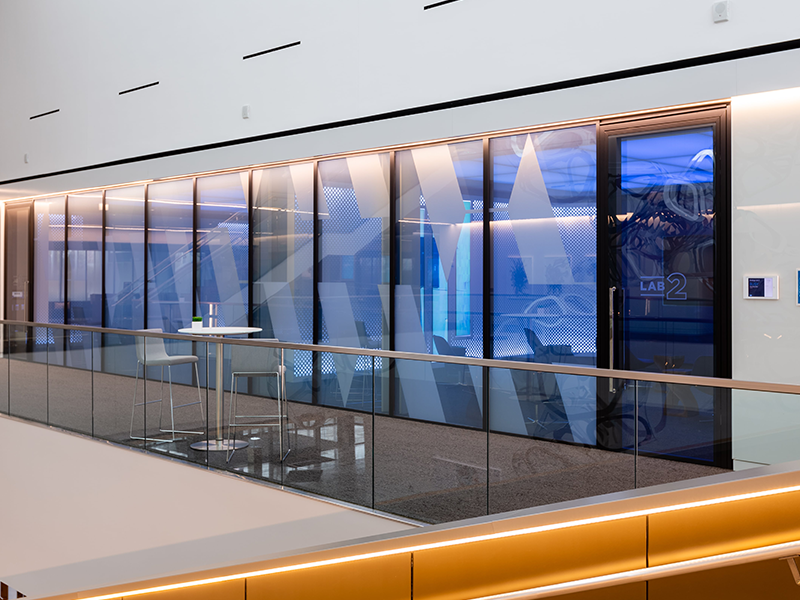
Adaptive Daylight Harvesting
By combining real-time sensor data, predictive analytics, and occupant feedback, adaptive daylight harvesting transforms glazing and lighting systems into a coordinated, learning control layer that maximizes visual comfort and energy savings. Chiefway leverages solar sensors and integrates user preferences to shape dynamic tinting and electric lighting schedules, enabling spaces that respect autonomy and reduce consumption. Algorithms prioritize sightlines, glare reduction, and daylight admission while learning from patterns. Collaboration with occupants refines models; open data interfaces guarantee portability and freedom. The approach is measurable, scalable, and resilient, aligning operational efficiency with human-centric design.
- real-time solar sensor inputs
- preference-driven control loops
- predictive analytics models
- open interoperable interfaces
Thermal Comfort Modeling
Adaptive daylight strategies naturally extend into thermal comfort modeling, where sensor-fused data and occupant input shape HVAC behavior to balance energy use and physiological comfort. Chiefway leverages Predictive Algorithms to anticipate occupancy patterns, external weather, and solar gain, enabling proactive adjustments that reduce load while respecting human preference. Personalized Zoning segments spaces so responders act for individuals and cohorts, offering autonomy without complexity. Data-driven insights are shared across stakeholders, promoting collaborative tuning and continuous learning. The result is a liberated environment: occupants control comfort, systems optimize efficiency, and building intelligence evolves responsively to real human needs.
Partnerships, Case Studies, and Market Adoption
Chiefway leverages strategic industry partnerships to accelerate integration of sensors, analytics, and building systems, enabling scalable solutions across portfolios. Documented deployments in commercial and healthcare facilities demonstrate measurable energy reductions and occupant satisfaction gains that validate the platform’s ROI. Market adoption trends show rising enterprise demand and channel collaborations, indicating a shift from pilots to widespread rollouts.
Strategic Industry Partnerships
Across industry verticals, strategic partnerships accelerate the deployment and adoption of smart building solutions by combining domain expertise, shared data frameworks, and scalable integration standards. Chiefway leverages vendor alliances and research collaborations to open interoperable smart glass ecosystems, enabling liberated occupants and owners to control environments while optimizing energy and operational metrics. Collaborative governance models and open APIs drive measurable adoption rates and lower integration risk. Stakeholder-aligned roadmaps prioritize modular deployments and policy-aware scaling. Visualized priorities include:
- Interoperability standards and shared data schemas
- Joint R&D and pilot coordination
- Commercial channel and installer networks
- Policy, compliance, and performance benchmarks
Notable Deployment Case Studies
Building-level outcomes from those strategic alliances are best illustrated through concrete deployments that couple interoperable smart glass systems with operational data streams and stakeholder governance. Case studies show measurable energy savings, enhanced occupant control, and empirical reduction in glare complaints while addressing privacy concerns through anonymized telemetry. Partner teams prioritized regulatory compliance during installation, aligning glazing performance with local codes. Maintenance planning emerged as a KPI, with predictive alerts lowering downtime. Transparent cost analysis enabled shared investment frameworks and payback models that preserved occupant freedom of choice. These deployments model collaborative, data-driven pathways for scalable, responsible smart glass adoption.
Market Adoption Trends
Informed by quantifiable pilots and cross-sector alliances, market adoption of interoperable smart glass is accelerating as integrators, owners, and policymakers converge on standardized performance metrics, governance models, and investment frameworks. Data-driven projections show rising market penetration where strategic partnerships lower adoption barriers and streamline procurement. Case studies reveal faster ROI, modular retrofits, and occupant-centered controls. Collaborative consortia champion open APIs and certification to unleash scale while respecting freedom of choice for building stakeholders.
- Consortium-led trials demonstrating 30% energy savings potential
- OEM-integrator partnerships reducing deployment time
- Policy incentives addressing financing gaps
- Open-standard roadmaps easing vendor lock-in
Conclusion
Chiefway’s smart glass emerges as a scalable catalyst for smart building transformation, demonstrating measurable energy reductions, improved occupant comfort, and seamless IoT/BMS integration in real deployments. By enabling data-driven control strategies, retrofit-friendly workflows, and interoperable partnerships, it accelerates market adoption while reducing carbon footprints. Continued collaboration among designers, operators, and technology partners will amplify performance gains and open new efficiency and wellbeing metrics, positioning Chiefway as a pivotal force in next-generation built environments.